


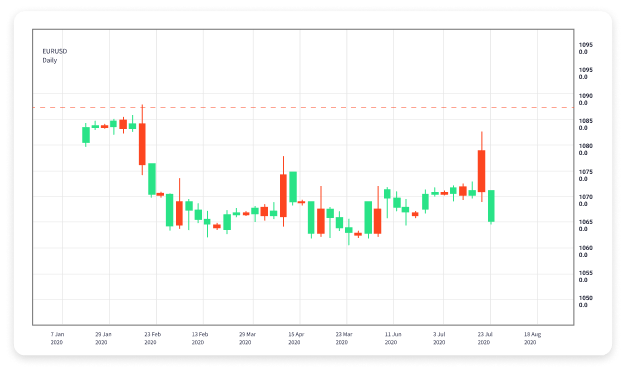
In recent years, the Forex market has become increasingly reliant on technology, leading to the emergence of forex algorithmic trading Trading Asia algorithmic trading. This approach uses complex algorithms to analyze market data and execute trades automatically, providing traders with several advantages over traditional methods. This article will explore the intricacies of Forex algorithmic trading, focusing on its strategies, benefits, and the challenges traders may face.
Understanding Forex Algorithmic Trading
Forex algorithmic trading refers to the use of computer programs to execute trading strategies based on pre-defined criteria. These algorithms can analyze vast amounts of market data, including price movements, volume, and historical trends, to make informed trading decisions. Unlike manual trading, where human emotions and biases can influence decisions, algorithmic trading offers a systematic approach to trading.
Key Components of Algorithmic Trading
For those considering entering the realm of algorithmic trading in Forex, it is essential to understand its key components:
- Data Analysis: Successful algorithmic trading relies on data. Traders need to gather historical price data and other relevant information to develop reliable trading algorithms.
- Trading Strategy: A well-defined trading strategy is crucial. This includes determining entry and exit points, risk management rules, and position sizing.
- Backtesting: Before implementing an algorithm in real-time markets, it’s essential to backtest it against historical data to evaluate its performance.
- Execution: The algorithm must be capable of executing trades based on predetermined triggers automatically. This requires integration with a trading platform that supports automated trading.
- Monitoring: Even with automation, traders should regularly monitor their algorithms to ensure they function correctly and adapt to changing market conditions.
Strategies for Forex Algorithmic Trading
There are several strategies traders can utilize within the realm of Forex algorithmic trading. Here are a few popular ones:
- Trend Following: This strategy involves identifying and following established market trends. Algorithms can automatically enter and exit trades based on trend indicators like moving averages.
- Mean Reversion: Algorithms designed for mean reversion operate on the principle that prices will revert to their historical averages. These algorithms identify when a currency pair is overbought or oversold and execute trades accordingly.
- Arbitrage: Arbitrage opportunities can arise from price discrepancies between different markets. Algorithmic traders can exploit these opportunities by executing simultaneous trades across multiple platforms.
- News-based Trading: Algorithms can analyze news feeds in real-time to detect market sentiment and execute trades based on it. This approach requires sophisticated algorithms to process and interpret news data effectively.
Advantages of Forex Algorithmic Trading
Forex algorithmic trading offers several distinct advantages:
- Speed: Algorithms can analyze data and execute trades within milliseconds, significantly faster than any human trader.
- Emotion-Free Trading: Automation eliminates emotional bias, ensuring trades are executed based on objective criteria without the influence of fear or greed.
- Backtesting Capabilities: Traders can simulate their algorithms against historical market data, helping to refine and optimize trading strategies before real-money deployment.
- Diversification: Traders can create algorithms that operate across multiple currency pairs simultaneously, enabling better diversification and risk management.
- Increased Efficiency: Automation allows traders to focus on other aspects of their trading business or portfolio management while the algorithm handles the execution.
Challenges of Forex Algorithmic Trading
Despite its advantages, Forex algorithmic trading also presents several challenges:
- Technical Issues: Algorithms and trading platforms can experience downtime or technical glitches, leading to missed opportunities or unexpected losses.
- Overfitting: Traders may fall into the trap of overfitting their algorithms to historical data, which can result in poor performance in real markets.
- Market Changes: Market conditions can change rapidly, and algorithms may need adjustments to remain effective in new environments.
- Regulatory Compliance: Traders must ensure their strategies adhere to regulatory requirements, which can vary by region and govern the use of algorithmic trading.
- Costs: While algorithmic trading can reduce certain costs, it may require significant upfront investment in technology, software, and data feeds.
Getting Started with Forex Algorithmic Trading
For traders interested in entering the world of Forex algorithmic trading, here are steps to get started:
- Educate Yourself: Understanding Forex trading and the nuances of algorithmic strategies is crucial. Numerous resources, online courses, and forums can help you gain knowledge.
- Choose a Trading Platform: Select a trading platform that supports algorithmic trading and aligns with your trading needs. Ensure it provides reliable order execution and access to necessary data.
- Develop a Trading Algorithm: Create and code your trading algorithm, focusing on a well-defined strategy that aligns with your risk tolerance and trading goals.
- Backtest Your Algorithm: Test your algorithm against historical data to evaluate its performance and make necessary adjustments.
- Start Small: Once you’re confident in your algorithm, begin trading with a small amount of capital to mitigate risk and gain practical experience.
- Monitor and Optimize: Continuously monitor your algorithm’s performance and make adjustments as needed to optimize profits and minimize losses.
Conclusion
Forex algorithmic trading is revolutionizing the way traders engage with the foreign exchange market. With its speed, efficiency, and data-driven approach, it offers traders the ability to capitalize on opportunities that manual trading may not catch. However, it demands a strong understanding of both the Forex market and the technology behind algorithmic trading. By embracing this innovative approach, traders can gain a competitive edge and navigate the complex world of Forex trading more effectively.
Add Comment